When the power goes out, life doesn’t stop. Your refrigerator, furnace, internet, medical equipment, security system, and even your garage door all rely on electricity.
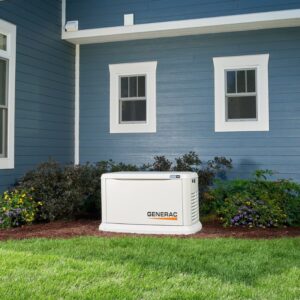
That’s why more Colorado homeowners are investing in whole-house standby generators to keep their homes powered during unexpected outages.
One of the first questions we hear is:
“How much does generator installation cost in Colorado?”
The answer depends on several factors, including your home’s electrical needs, generator size, fuel source, and installation requirements.
In this guide, we’ll explain typical installation costs, what influences pricing, and how to choose the right standby generator for your home.
Average Generator Installation Cost in Colorado
The average generator installation cost in Colorado typically ranges from $8,500 to $20,000+, depending on the size of the generator and the complexity of the installation.
| Generator Size | Best For | Typical Installed Cost* |
|---|---|---|
| 10–14 kW | Smaller homes & essential circuits | $8,500–$11,500 |
| 18–22 kW | Average Colorado homes | $11,000–$16,000 |
| 24–26 kW | Larger homes & high electrical demand | $15,000–$20,000+ |
*Pricing reflects typical residential standby generator installations in Colorado as of 2026. Actual costs vary based on generator brand, electrical upgrades, gas piping, permits, trenching, and site conditions.
While online pricing can provide a rough estimate, every home is different. The most accurate way to determine cost is through an on-site evaluation by a licensed electrician.
What Is Included in a Generator Installation?
A professionally installed standby generator involves much more than placing a generator beside your home.
A complete installation typically includes:
- Standby generator
- Automatic transfer switch
- Generator pad or foundation
- Electrical wiring and connections
- Gas piping or propane connection
- Required permits
- Manufacturer startup and testing
- System commissioning
- Final inspection
- Homeowner walkthrough and operation training
Choosing an experienced installer ensures every component meets current electrical, fuel, and local building codes.
What Factors Affect Generator Installation Cost?
Every installation is unique. Several factors determine the total investment.
1. Generator Size
The generator itself is one of the biggest factors affecting cost.
Larger generators can power:
- Central air conditioning
- Electric ranges
- Large HVAC systems
- Well pumps
- Electric water heaters
- EV chargers
- Multiple refrigerators and freezers
Smaller generators may only power essential circuits such as:
- Furnace
- Refrigerator
- Lighting
- Internet
- Sump pump
Choosing the correct size prevents unnecessary costs while ensuring your home has reliable backup power.
If you’re unsure what size your home needs, read our guide on What Size Generator Do I Need?
2. Fuel Source
Most Colorado standby generators operate on either:
- Natural gas
- Propane
Natural gas is common in neighborhoods with utility service already available.
Propane is often preferred for:
- Rural properties
- Mountain homes
- Homes without natural gas service
Longer gas line installations or propane tank additions can increase installation costs.
3. Electrical Panel Condition
Your electrical system plays a major role in installation.
Older homes may require electrical upgrades before a new generator can be safely connected.
Examples include:
- Federal Pacific panels
- Zinsco panels
- Split-bus panels
- Undersized electrical services
Upgrading outdated equipment during installation improves both safety and long-term reliability.
4. Permit Requirements
Colorado municipalities generally require permits for standby generator installations.
Depending on your location, permits may include:
- Electrical permit
- Mechanical or fuel gas permit
- Building permit (when required)
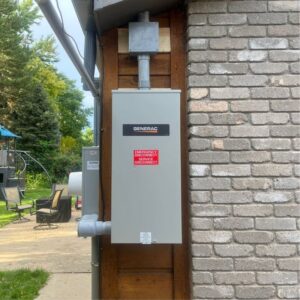
Professional installers typically handle permitting, inspections, and code compliance for you.
5. Site Accessibility
Every property is different.
Installation costs may increase when your project requires:
- Long trenching runs
- Extensive gas piping
- Concrete removal
- Difficult access
- Retaining walls
- Steep terrain
- HOA requirements
- Extended electrical conduit runs
These site-specific conditions affect labor, equipment, and materials.
Generator Costs by Home Size
Although every home should be professionally load calculated, square footage provides a helpful starting point.
| Home Size | Recommended Generator |
|---|---|
| Under 2,000 sq. ft. | 10–14 kW |
| 2,000–3,500 sq. ft. | 18–22 kW |
| 3,500–5,000+ sq. ft. | 24–26 kW |
Note: Square footage is only a starting point. The correct generator size should always be determined using a professional electrical load calculation that considers HVAC systems, electric water heaters, EV chargers, hot tubs, well pumps, and other major electrical loads.
Keep in mind that two homes with the same square footage may require different generator sizes depending on:
- Electric heating
- Air conditioning
- Pool equipment
- EV charging
- Hot tubs
- Appliance usage
A professional load calculation is always the best way to determine the correct generator size.
Is a Whole-House Generator Worth It?
For many Colorado homeowners, the answer is yes.
Power outages are becoming more disruptive due to severe weather, heavy snow, wind events, and increased electrical demand.
A standby generator helps protect your home by keeping critical systems running automatically.
Benefits include:
- Prevents food spoilage
- Keeps heating and cooling operational
- Maintains internet for remote work
- Powers medical equipment
- Protects sump pumps from flooding
- Keeps security systems active
- Maintains lighting throughout your home
- Provides peace of mind during extended outages
Unlike portable generators, standby generators start automatically within seconds of a utility outage and restore power without extension cords or manual setup.
How to Reduce Generator Installation Costs
While a standby generator is a significant investment, there are ways to maximize its value.
Install Before Storm Season
Scheduling installation before winter storms or wildfire season can help avoid peak scheduling delays.
Choose the Right Size
Bigger isn’t always better.
Choosing the proper generator size prevents overspending on capacity you’ll never use while ensuring your home has adequate backup power.
Bundle Electrical Upgrades
If your electrical panel already needs replacement, combining projects can reduce labor costs compared to completing them separately.
Maintain Your Generator
Routine maintenance extends equipment life and helps prevent expensive emergency repairs.
Annual inspections, oil changes, battery testing, and software updates help keep your generator ready when you need it most.
Frequently Asked Questions
Can I install my own standby generator?
No.
Standby generators require electrical work, gas piping, permits, inspections, and automatic transfer switch installation. Improper installation can create serious safety hazards and may void the manufacturer’s warranty.
How long does generator installation take?
Most installations are completed in one to three days once permits, equipment, and utility coordination are in place.
The overall project timeline may be longer depending on permit approvals and equipment availability.
Does a whole-house generator increase home value?
Many buyers see standby generators as a desirable feature, especially in areas that experience regular power outages or severe weather.
While every real estate market is different, a professionally installed standby generator may improve your home’s appeal to future buyers.
Are permits required?
Yes.
Most Colorado municipalities require permits and inspections for standby generator installations to ensure the work complies with current electrical, fuel gas, and building codes.
How often should a standby generator be serviced?
Most manufacturers recommend annual maintenance or servicing after a specified number of operating hours.
Routine maintenance helps ensure your generator starts reliably when the power goes out.
Why Homeowners Choose Generator Co
Installing a standby generator is a long-term investment in your home’s safety and comfort. Choosing an experienced installer helps ensure the system performs reliably for years to come.
Generator Co provides:
- Licensed Colorado electricians
- Code-compliant installations
- Professional load calculations
- Permit coordination
- High-quality workmanship
- Thorough testing and startup
- Ongoing maintenance and service
- Honest, transparent recommendations
Whether you’re installing a generator for the first time or replacing an aging system, our team will help you select the right solution for your home’s needs and budget.
Schedule Your Free Generator Estimate
If you’re considering a standby generator, Generator Co is here to help.
We’ll evaluate your home’s electrical needs, recommend the right generator size, explain every cost upfront, and provide a professional installation designed for Colorado’s climate.
Contact Generator Co today to schedule your free in-home estimate and enjoy reliable backup power when you need it most.
July 29, 2026