When the power goes out, your generator is supposed to take over. If your generator is not starting, that moment can quickly turn stressful.
For Colorado homeowners, outages can happen during snowstorms, high winds, or wildfire-related shutoffs. A generator that fails to start defeats the purpose of having backup power.
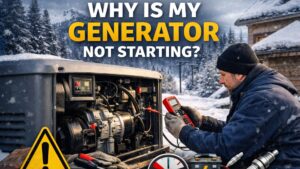
Below is a practical troubleshooting guide explaining why a generator may not start, what you can safely check, and when to call a licensed electrician.
Common Reasons a Generator Is Not Starting
Generators fail to start for predictable reasons. Most issues fall into fuel problems, battery failure, maintenance neglect, or electrical component faults.
Understanding the cause helps prevent repeat failures.
Dead or Weak Battery
The most common reason a standby generator is not starting is a dead battery.
Standby systems rely on a battery to initiate the automatic transfer process. Over time, batteries lose charge capacity, especially in Colorado’s cold winters.
Signs of battery failure:
- Clicking sound when attempting to start
- No response at all
- Warning light on the control panel
- Generator tries to crank but will not turn over
Most generator batteries last 2 to 4 years. If yours is older, replacement may solve the issue.
Low or Contaminated Fuel
For portable generators, fuel issues are extremely common.
Old gasoline can degrade within months, especially if ethanol is present. This can clog the carburetor and prevent ignition.
Common fuel-related causes:
- Empty fuel tank
- Stale gasoline
- Fuel valve turned off
- Clogged fuel filter
- Air in the fuel line
Standby generators connected to natural gas or propane can also fail if the supply valve is closed or pressure is disrupted.
If you smell fuel but the unit will not start, stop troubleshooting and call a professional. Fuel system issues can become hazardous.
Oil Level Is Too Low
Most modern generators include a low oil shutdown feature. If oil levels drop below safe thresholds, the system will prevent startup to protect the engine.
Check:
- Oil level with dipstick
- Signs of leaks
- Oil condition
Regular oil changes are part of proper generator maintenance and directly affect startup reliability.
Tripped Circuit Breaker
A tripped breaker on the generator itself can prevent proper operation.
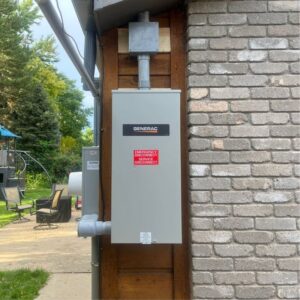
Check the breaker panel located on the generator housing. If it has tripped repeatedly, there may be a deeper electrical issue.
Never force-reset breakers without identifying the cause.
Clogged Air Filter
If your generator cranks but does not start, airflow restriction may be the issue.
A dirty air filter prevents proper combustion. This is common in dusty areas or after wildfire smoke events in Colorado.
Replacing a clogged filter is inexpensive and often restores normal operation.
Faulty Spark Plug
Portable generators rely on spark plugs to ignite fuel.
A worn, dirty, or corroded spark plug can prevent startup.
Symptoms include:
- Engine turns but does not ignite
- Backfiring
- Rough starting attempts
Spark plugs should be inspected annually and replaced as needed.
Control Panel or Sensor Failure
Standby generators include sophisticated electronics. If a sensor detects an abnormal condition, the system may lock out startup.
Common triggers include:
- Overcrank fault
- Overspeed fault
- Undervoltage detection
- Transfer switch communication error
These require professional diagnostics. Attempting to override safety systems can damage the generator.
Transfer Switch Problems
For whole-house systems, the automatic transfer switch plays a critical role.
If your generator appears functional but does not engage during an outage, the transfer switch may be the issue.
Common causes:
- Wiring problems
- Loose connections
- Failed relay
- Electrical surge damage
Transfer switch repairs should only be handled by a licensed electrician.
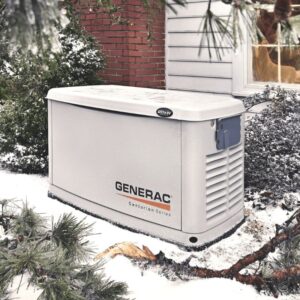
Cold Weather Starting Issues in Colorado
Cold weather affects generator performance more than many homeowners realize.
Low temperatures can:
- Reduce battery output
- Thicken engine oil
- Affect propane pressure
- Cause condensation in fuel systems
If your generator is not starting during winter, environmental conditions may be contributing.
Installing a cold weather kit or battery warmer can significantly improve reliability in Colorado climates.
Step by Step: What You Can Safely Check
Before calling for service, here are safe homeowner checks:
- Confirm fuel supply is on and adequate
- Check battery connections for corrosion
- Verify oil level
- Inspect visible breakers
- Look for warning codes on the display
- Replace air filter if visibly clogged
Do not open sealed electrical panels or attempt internal repairs. Generators produce high voltage and can be dangerous.
When to Call a Professional
You should contact a licensed electrician if:
- The generator repeatedly fails to start
- You see error codes you do not understand
- The unit attempts to start but shuts down
- You smell gas or burning
- The transfer switch does not engage
- The generator has not been serviced in over a year
Professional diagnostics ensure safe repairs and prevent long-term damage.
The Importance of Annual Generator Maintenance
Most startup failures are preventable.
A yearly generator inspection includes:
- Battery testing
- Oil and filter replacement
- Spark plug inspection
- Fuel system check
- Electrical connection tightening
- Load testing under real conditions
For Colorado homeowners, annual maintenance ensures the system performs during snowstorms and extreme weather.
Preventative service costs far less than emergency repair during an outage.
How Long Generators Typically Last
A properly maintained whole-house generator can last 15 to 25 years.
However, neglect accelerates wear and increases failure risk.
If your system is older and frequently not starting, it may be time to evaluate replacement options.
Portable generators typically last 10 to 15 years with proper care.
Can You Fix a Generator That Will Not Start Yourself
Minor issues such as:
- Replacing a battery
- Adding fuel
- Changing oil
- Replacing air filter
- Installing new spark plug
can often be handled by homeowners comfortable with small engine maintenance.
However, electrical, gas line, and transfer switch work should always be performed by a licensed professional.
Safety is non-negotiable when dealing with backup power systems.
Generator Not Starting During an Outage: What to Do Immediately
If the outage has already occurred:
- Confirm the outage is not isolated to your home
- Check generator control panel
- Attempt manual start if safe and permitted by manufacturer
- Call a professional if startup fails
Avoid running extension cords improperly or attempting unsafe temporary fixes.
Backup power systems are designed for reliability. If yours is failing, it needs inspection.
Why Colorado Homeowners Trust Professional Generator Service
Colorado’s weather patterns demand dependable backup power. High winds, heavy snow, and grid strain increase outage risk across the Front Range.
Professional generator service ensures:
- Code-compliant installation
- Proper load calculations
- Safe fuel connections
- Reliable transfer switch integration
- Long-term system durability
Whether you have a portable generator or a whole-house standby system, regular service keeps it ready when you need it most.
Schedule Generator Service Before the Next Outage
If your generator is not starting, do not wait until the next storm to address the problem.
Proactive service protects your home, appliances, heating system, and overall safety.
The Electricians provide professional generator diagnostics, maintenance, and installation services across Colorado. Our licensed team ensures your backup power system operates safely and reliably.
If your generator has failed to start, contact us today to schedule an inspection and restore your peace of mind before the next outage hits.
February 27, 2026