
Power outages in Colorado can happen without warning. When they do, the right generator protects your home, keeps your appliances running, and gives you peace of mind. Many homeowners compare portable vs standby generators and wonder which option fits their home and lifestyle.
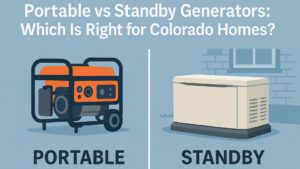
This guide explains what is a portable generator, what is a standby generator, how both systems produce electricity, and which backup power solution works best for Colorado homes.
What Is a Portable Generator?
A portable generator is a small, movable unit that you place outdoors during an outage. These machines use gasoline to generate electricity and restore power to a few essential items. Portable generators work well for basic needs or short outages.
How Portable Generators Work
Portable generators use a small engine to spin an alternator. This motion helps the unit produce electricity that you can access through built in outlets. Most people connect appliances with extension cords, or use a manual transfer switch for a safer connection to the home.
Benefits of Portable Generators
- Lower cost than home standby generators
- No installation required
- Easy to move and store
- Useful on construction sites, camping trips, or with power tools
Limitations of Portable Generators
- Limited generator power
- Manual setup every time
- Short runtime because they use gasoline
- Louder operation
- Risk of carbon monoxide if used too close to the home
- Not strong enough to power an entire electrical system
Portable generators are a good short term solution. They support basic items like lights, small appliances, and phone chargers. But they are not built for long term or whole home use.
What Is a Standby Generator?
A standby generator, also called a home standby generator, is a permanently installed system that turns on automatically during a power outage. These units run on natural gas or propane, so they have long runtimes and require no manual setup.
How Standby Generators Work
Standby generators connect to the home’s utility lines through an automatic transfer switch. When the power grid fails, the switch senses the outage and moves your home to generator power within seconds. This is how standby generators work without any action from the homeowner.
Benefits of Standby Generators
- Full home protection
- Automatic operation
- Unlimited fuel supply with natural gas or propane
- Quieter performance
- Adds comfort and security during long outages
- Ideal long term solution for Colorado weather
Limitations of Standby Generators
- Higher upfront cost
- Professional installation required
- Needs yearly maintenance because standby generators require proper care
Standby systems can support HVAC systems, refrigerators, medical equipment, well pumps, and more. They are built for homeowners who want reliable backup power during winter storms or extended grid failures.
Portable vs Standby Generators: Key Differences
| Feature | Portable Generator | Standby Generator |
|---|---|---|
| Startup | Manual | Automatic |
| Fuel Type | Gasoline | Natural gas or propane |
| Power Output | Limited | Whole home |
| Installation | None | Professionally installed |
| Runtime | Short | Long term |
| Noise Level | Louder | Quieter |
| Connection | Extension cords or manual switch | Automatic transfer switch |
| Best Use | Temporary backup, travel, power tools, small loads | Full home protection and long outages |
Portable generators work for basic and short term needs. Standby generators work best for homeowners who want a strong, reliable backup power solution that protects the entire home.
Which Generator Is Best for Colorado Homes?
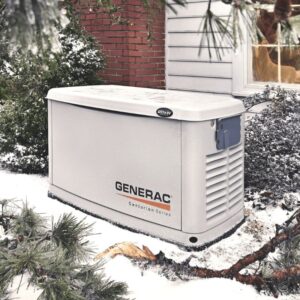
Choose a Portable Generator If:
- You only need to run a few items
- You want a lower cost option
- You are comfortable with manual setup
- You want a generator for camping or construction sites
Portable units do not connect to the full electrical system, so most homeowners use them during short outages.
Choose a Standby Generator If:
- You want automatic whole home power
- You live in an area with frequent outages
- You work from home or rely on medical equipment
- You want strong performance during Colorado winters
- You want long term protection and peace of mind
Standby systems are ideal when you want your entire home to stay powered, heated, and connected.
Colorado Conditions to Consider
High Elevation
Generators lose power at higher altitudes. Standby systems can be adjusted during installation to maintain performance.
Winter Temperatures
Gasoline can thicken or degrade in cold weather. Natural gas and propane perform better in freezing conditions.
Outage Frequency
Mountain areas often experience storms that damage utility lines, leading to longer outages and a greater need for automatic backup.
Cost Overview
Portable Generators
- $600 to $2,500 for most units
- Extra cost for fuel, cords, and optional transfer switch
Standby Generators
- $8,500 to $15,000 installed, depending on size and setup
- Includes the generator, concrete pad, electrical work, and transfer switch
Standby systems cost more but deliver stronger and more reliable backup power.
Maintenance Needs
Portable Generators
- Check oil often
- Keep fuel fresh
- Store safely
- Test monthly
Standby Generators
- Most units run weekly self tests
- Only need an annual inspection
- Built for long term, reliable service
Final Decision: Portable or Standby?
If you want affordable, temporary power, a portable generator will work.
If you want automatic protection, full home coverage, and long term security during Colorado outages, a standby generator is the better choice.
Either way, choosing the right system helps keep your home safe and comfortable when the grid fails.
Need Help Choosing the Right Generator?
Generator CO can help you compare systems, choose the best size, and install a generator that fits your home and lifestyle. If you want reliable backup power, we are here to help.
December 11, 2025