
When a power outage hits, your generator becomes your home’s lifeline. But just like any part of your electrical system, it needs attention to perform when it matters most.
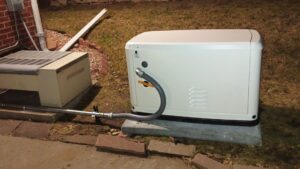
That is why a yearly generator inspection is essential for every homeowner who values safety, reliability, and efficiency.
Whether you own a whole-house generator or one of many standby generators on the market, routine generator maintenance ensures your system stays ready to deliver uninterrupted power.
A small investment in preventive maintenance can make a long-term difference in performance and peace of mind.
1. Avoid Unexpected Power Failures
A generator is designed to start automatically when the grid goes down, but that reliability depends on consistent generator service. Dust, corrosion, and aging parts can prevent running the generator smoothly.
During a home generator inspection, technicians visually inspect the unit, test the automatic transfer switch, and verify that all electrical connections are secure. They also perform load tests to confirm your generator can handle your household power systems safely and efficiently.
Without this annual attention, even a small issue in the fuel system or battery could leave you without backup power when you need it most.
2. Extend the Lifespan of Your Generator
Regular maintenance is the key to long-term reliability. A generator that receives annual inspections and follows a proper maintenance schedule can last 20 to 30 years.
During an inspection, the technician will check your spark plug, change the oil filter, clean fuel filters, and ensure the cooling system is free of blockages. Each of these steps helps protect the engine from wear and tear and improves the unit’s efficiency over time.
By staying proactive with generator maintenance, you extend the lifespan of your investment and minimize expensive repairs.
3. Improve Safety and Efficiency
Generators handle high-voltage electricity and flammable fuels, which means a professional generator inspection is more than just routine care—it is a safety check. Technicians inspect the fuel system for leaks, test grounding, and confirm that exhaust and ventilation paths are clear.
They also test the automatic transfer switch, which is the brain of your system. This component ensures seamless power transition when an outage occurs. A malfunctioning switch could interrupt your power flow or overload the electrical system, creating potential hazards.
Annual inspections protect your home and ensure your generator operates safely and efficiently.
4. Keep Fuel and Power Systems in Top Shape
Just like a vehicle engine, a generator’s fuel system and internal power systems require consistent attention. Over time, fuel can degrade, leading to poor combustion and clogged filters.
During a yearly generator inspection, a technician performs load tests, checks fuel quality, and ensures combustion is balanced for maximum efficiency. They also verify that the cooling system is functioning properly to prevent overheating while running the generator for long periods.
This kind of regular maintenance helps your generator use less fuel, reduces emissions, and ensures dependable performance through every season.
5. Protect Your Warranty and Maintain Compliance
Most generator manufacturers require proof of preventive maintenance to keep warranties valid. Skipping your generator service could void coverage if a breakdown occurs.
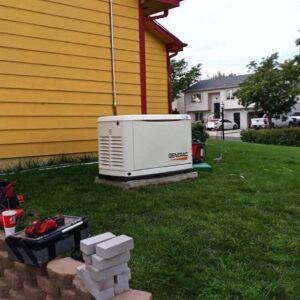
In addition, local building and electrical system codes may require periodic inspections to ensure your generator installation remains compliant. Keeping documentation of your annual service provides protection for both warranty and insurance claims, showing you have followed the proper maintenance plan.
6. Peace of Mind During Any Power Outage
When storms hit or the grid fails, having a dependable generator brings true peace of mind. A professional inspection gives you confidence that your system will work exactly as it should—no hesitation, no unexpected shutdowns.
From checking the spark plug to verifying oil pressure and cooling, every detail is reviewed during a home generator inspection to ensure your generator is ready to deliver power instantly.
A properly maintained system is one you can count on, whether you are at home or away.
What’s Included in a Yearly Generator Inspection
A professional inspection includes a thorough review of mechanical, electrical, and safety components. Here’s what a typical maintenance schedule looks like:
| Task | Frequency |
|---|---|
| Check oil level and quality | Monthly or after each use |
| Replace oil and oil filter | Every 100–200 hours or annually |
| Replace air filter and fuel filters | Annually |
| Test automatic transfer switch | Annually |
| Inspect spark plug and ignition system | Annually |
| Inspect fuel system, tanks, and lines | Every 6 months |
| Full professional inspection and load tests | Once per year |
7. Long-Term Savings and Reliability
Routine generator maintenance may seem like an expense, but it saves you money over time. Preventing small issues before they become major repairs helps you avoid emergency service calls and equipment replacement.
Consistent preventive maintenance also improves fuel economy and reduces strain on internal components, which leads to fewer breakdowns and a longer-lasting generator.
Following a proper maintenance plan is an investment in long-term reliability.
Schedule Your Annual Inspection Today
At The Generator CO, we provide expert generator service and home generator inspection across Colorado. Our technicians follow a detailed maintenance schedule to ensure your generator performs safely and efficiently year after year.
Do not wait for the next power outage to find out if your generator works—schedule your yearly generator inspection today and keep your system ready when you need it most.
November 6, 2025